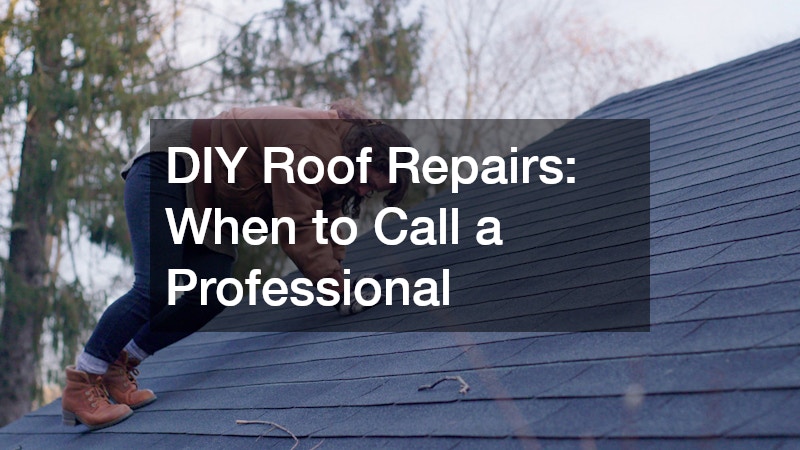
In this article, we will explore the intricacies of DIY roof repairs, understanding when you can tackle the task yourself, and when it is prudent to call in a professional. The decision between undertaking DIY repairs or hiring a professional can greatly impact your home’s integrity. With roofs being such critical components of homes, making informed choices ensures safety and durability. We will delve into the skills, tools, and circumstances that define a practical approach to roof repair.
Additionally, we will recognize the inherent risks and necessary precautions associated with taking repairs into your own hands.
When is DIY Roof Repair a Good Idea?
Understanding the Scope of Repairs
DIY roof repairs are ideal for minor issues that do not compromise the structural integrity of the roof. For instance, replacing a few shingles or fixing a small leak can be manageable projects. It’s crucial to conduct a thorough examination to ensure that the issue is truly minor. If you’re uncertain about the extent of the damage, it might be best to consult a professional roof repair service first. Understanding the complexity of the problem is the first step in assessing whether a DIY approach is feasible.
Simple repairs like resealing seams or reattaching loose gutters are often within the skill set of a handy homeowner. It’s essential, however, to understand that complex tasks such as repairing extensive water damage or replacing large sections of the roof should be left to professionals. Misjudging the scope can lead to costly complications. Therefore, knowing your limits and the limits of the project is imperative. Conducting research or seeking professional advice can prevent unnecessary trials and errors.
The feasibility of DIY roof repairs also depends on the type of roofing material. Asphalt shingles are relatively easy to work with, whereas materials like slate or tile can pose significant challenges. The availability of tutorials and guides can also aid in determining whether you should proceed with DIY repairs. Accessibility and familiarity with the materials prioritize safety and efficiency. Leverage trusted resources and gather insights before deciding on your course of action.
Assessing Your Skill Level
Assessing your own skills is vital before attempting DIY roof repairs. Not everyone possesses the dexterity or knowledge to tackle even small projects safely. Consider your past experiences with DIY home projects as a gauge for your capabilities. Familiarize yourself with basic roofing techniques to judge if you’ll be comfortable executing them. The confidence gained through understanding and experience is foundational to any successful DIY endeavor.
DIY roof repairs demand not just technical know-how but also a keen sense of precision. You must feel comfortable working at heights and be equipped to handle unexpected challenges. Evaluate whether you have the patience and meticulousness required for roofing tasks. A rushed or careless approach can lead to suboptimal results and increased risk of errors, making skill assessment a critical component of the decision-making process.
Enrolling in workshops or watching detailed instructional videos can enhance your skill set. It’s an efficient way to bridge knowledge gaps and practice essential techniques. Additionally, joining forums or community groups focused on DIY projects can provide support and troubleshoot potential issues. In some cases, observing or shadowing a professional during repairs can offer invaluable insights into the process. Continuous learning and skill enhancement will prepare you better for the task at hand.
Tools and Materials Required
Making a detailed list of required tools and materials is essential before starting any DIY roof repair. Basic tools such as hammers, nail guns, utility knives, and chalk lines are often indispensable. It’s important to also consider safety tools like ladders with stabilizers, safety harnesses, and hard hats. The specific tools you need will depend on the type and extent of the repair undertakings. Having the right equipment on hand is paramount for a smooth and safe repair process.
Quality materials are at the heart of an effective roofing repair. Choose the appropriate type of shingles, roofing nails, and sealants pertinent to your roofing material. Buying substandard materials can compromise the durability and safety of your repairs. For cost efficiency, it’s worthwhile to shop around for quality materials within budget. Familiarize yourself with various suppliers to gauge where you can procure the best materials.
The methodology of DIY roof repair includes knowing how each tool is utilized correctly. Misusing tools not only increases project times but also risks your safety and the quality of repairs. Consult guides or online resources to understand the application of each tool in your arsenal. Modern tools might offer advanced features that can simplify projects, so invest time into researching these innovations. Attention to detail and thorough preparation establish a strong foundation for any DIY project.
Safety Precautions While Working on a Roof
Safety should be the primary consideration during any DIY roof repair. The height involved in roof work presents inherent risks, including falls and injuries. Implement precautions such as using a stable ladder with locking mechanisms and wearing slip-resistant boots. A safety harness is an excellent investment, especially for steep or complex roofs. Always have a partner present to assist and call for aid in emergencies.
Weather conditions must also be accounted for when planning your repair work. Avoid working on roofs when it is wet, icy, or in extreme heat as these conditions increase slip risks. Choose clear days with mild temperatures to optimize safety conditions. Additionally, be cautious around power lines and avoid windy days that can destabilize ladders and equipment. Understanding environmental factors and their impact ensures a safer and more effective working environment.
Ensure that your workspace on the roof is organized and free from debris to prevent accidents. Tools and spare materials should be secured and easily accessible while minimizing clutter. It’s also prudent to wear gloves and protective eyewear to shield yourself from sharp objects and materials. Following these precautions fosters a secure working environment and can mitigate risks associated with DIY roof repairs. Being proactive in safety planning significantly lowers the probability of accidents occurring.
Simple Repairs You Can Handle
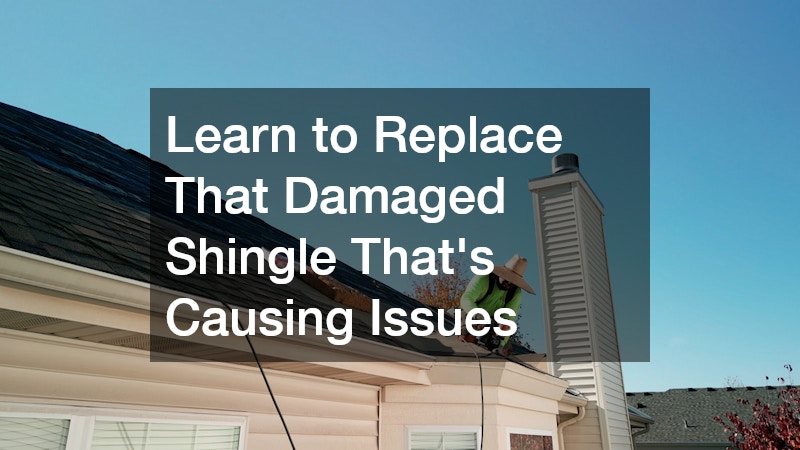
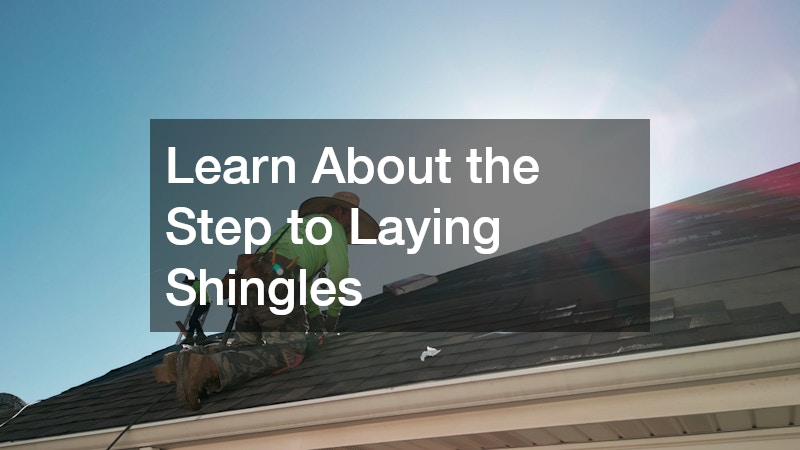
Several roof issues are straightforward enough for DIY interventions, provided safety guidelines are followed. Replacing damaged or missing shingles is one of the most common repairs. This task can prevent leaks and preserve the roof’s integrity, assuming the shingles match existing materials. Improper shingle installation can cause roof leaks that may lead to more significant damage, so careful attention to detail is necessary.
Repairing small leaks and holes using roof sealants is another feasible project for experienced DIYers. Applying a layer of sealant in affected areas can easily seal off minor leak sources. The process is usually simple and requires minimal tools, but ensuring thorough coverage is vital. Check for any potential weak spots around vents, skylights, or seams and apply additional sealant where needed. A methodical approach to sealant application promotes comprehensive repair.
Cleaning gutters is another essential task that improves roof drainage and prevents water accumulation damage. Remove debris, leaves, and dirt regularly to ensure proper water flow. This process may involve using a gutter scoop or hose to clear blockages. Maintaining clear gutters supports the overall health of your roofing system. Regular inspections for any sagging or damage in gutters can preempt more serious water-related issues.
What are the Risks of DIY Roof Repairs?
Potential for Injury
Attempting DIY roof repairs pose substantial risks of physical injury. Working at heights requires precision and balance, often subjecting individuals to fall risks. Without proper safety gear, like harnesses and stable ladders, the chances of serious accidents escalate. Additionally, improper use of tools can result in cuts or other injuries. It’s imperative to follow safety guidelines religiously to mitigate these risks.
Many people underestimate the physical demands of roof repairs, which require stamina and strength. Strains, overextensions, and fatigue can impair judgment, increasing the likelihood of mishaps. Anyone considering DIY roofing must be honest about their physical condition and understand the importance of taking breaks. Thoroughly assessing whether your health and fitness levels align with the task is crucial for your safety. Recognizing limitations can prevent unnecessary harm or stress on your body.
Environmental factors such as weather play a significant role in increasing injury risks. Slippery surfaces from rain or ice make working conditions dangerous. Wind can destabilize your balance, while excessive sun can lead to heat exhaustion. Choosing optimal weather conditions for tasks is crucial in minimizing scenarios that could lead to injury. Responsive planning and preparedness enhance safety and contribute to successful project execution.
Failures Leading to More Damage
Inadequate or incorrect roof repairs can exacerbate existing issues and lead to further damage. Without thorough examination and understanding, repairs might fall short of addressing the root cause of the problem. For instance, overlooking underlying water damage when replacing shingles can result in pervasive rot and leaks. Addressing symptoms rather than causes can escalate the damage over time. Proper diagnosis before launching into repairs is essential.
The complexity of roofing systems often requires nuanced understanding beyond surface observations. DIY repairs without the necessary expertise can result in improper sealing or installation. In areas susceptible to extreme weather, these lapses can lead to leaks and additional wear. Water infiltration and unseen structural damage may remain unnoticed until it requires extensive repair. Knowing when you have reached the limit of your expertise is critical in protecting your home.
The costs associated with failed repairs extend beyond financial implications. Structural damage may compromise the safety and comfort of your home, necessitating urgent professional intervention. The expenditure to correct initial DIY errors can be significant, especially if the damage progresses. Additionally, devaluation of property is poignant in recurring repair-related scenarios. The risks of exacerbation highlight the importance of knowing when to call in an expert.
Lack of Proper Equipment
DIY repairs can suffer when undertaken without the appropriate tools and equipment. Proper sealing or tightening of elements like bolts and plates often require specialized implements. Makeshift solutions or inadequate tools lead to subpar performance, impacting the repair’s longevity. Professional-grade equipment optimizes for efficiency and effectiveness, underscoring equipment’s role in project outcomes. Acknowledging these requirements helps maintain quality and safety standards.
Purchasing or renting high-quality equipment entails cost considerations that can affect your project budget. It’s important to weigh the expense against the benefits of durable and efficient tools. In contrast, misappropriating low-cost, inferior equipment can increase the repair complexities and potential damage. Proper investments in tools, aligned with the project scope, facilitate competent repairs and impactful outcomes. Evaluating the requirement of each project’s toolkit reflects strategic planning.
Complex roof repairs often demand more intricate tools not typically found in the conventional household toolkit. Specialized roofing equipment like nailers, ridge hooks, or safety harness systems contribute to overall project viability and safety. Acquiring these tools involves detailed research and understanding of their usage within your specific project context. Thorough exploration of options available, inclusive of rental and purchase, can support skillful execution of the repair tasks. Strategic acquisition and adept use of tools embody mindful preparation and execution.
Impact on Home Insurance
Independently tackling roof repairs can potentially affect your home insurance coverage. Insurance policies often stipulate requirements for repairs to be carried out by qualified professionals. Engaging in unauthorized DIY repairs may nullify or affect coverage, complicating potential future claims. Reviewing your policy carefully can reveal whether your planned repairs comply with coverage terms. Adhering to policy requirements ensures you retain your home insurance’s protective benefits.
Effective communication with your insurance provider when considering DIY repairs can prevent misunderstandings. Assessing whether a professional needs to validate the repairs will help maintain policy integrity. Documentation and evidence of any work conducted are beneficial when insurance claims related to repairs arise. Understanding the limitations that DIY interventions pose on your insurance can inform your decision-making processes. Compliance with policies and thorough documentation uphold you against unforeseen complications or disputes.
Renewed awareness of your insurance policy’s stipulations in relation to roof repairs enhances overall financial foresight. Recognizing exclusions and limitations informs you about potential liabilities associated with DIY tasks. If professional assistance is required, seeking estimates and obtaining approvals minimizes risks related to covering repair-related damages. Keeping these considerations in focus safeguards your property’s insurance standing. Clear comprehension and due diligence help navigate the intricacies of insurance coverage appropriately.
Common DIY Mistakes to Avoid
There are several pitfalls that DIYers should be vigilant about when attempting roof repairs. Mistakes such as improper alignment of shingles or inadequate sealing contribute significantly to persistent leaks. Misplacing nails or using excessive force can damage the shingles and underlayment, compromising roofing’s durability. Attention to detail and adherence to established best practices mitigate these common errors. Professional consultations and resources beforehand enhance preventive measures.
The use of incorrect materials or application methods often leads to premature deterioration of repairs. Ensuring that the materials obtained correspond with existing roofing elements and are high-quality is essential. Misunderstanding local climate impacts could result in choosing inappropriate materials that respond poorly to weather conditions, leading to further repairs. Research, appropriate material selection, and climate consideration contribute positively to the repair’s sustainability. Investing in the quality and compatibility of materials safeguards against these frequent missteps.
Safe execution demands avoiding shortcuts that compromise the structural and aesthetic integrity of your roof. Festering small mistakes or negligence can covertly lead to bigger repair challenges. Systematic and comprehensive project planning reflects effective DIY practice and establishes successful outcomes. Interactive learning through workshops or professional consultations fosters awareness and deftness in your roofing endeavors. Cultivating such best practices pays dividends with sturdy, long-lasting repairs.
How to Identify When Professional Help is Needed?
Signs of Extensive Damage
One of the primary indicators that professional help is necessary involves signs of extensive roof damage. Persistent leaks that appear in multiple areas or have increased in size are red flags. Significant sagging, visible rotting, or large areas of missing shingles signal deeper structural issues. Experienced roofers possess the expertise and equipment to diagnose and address these complicated problems effectively. Timely intervention by a professional can prevent costly repairs and enhance the roof’s longevity.
Determining the scope of damages extends beyond what is visible to the naked eye. Specialists can identify hidden damages, such as compromised insulation or water damage affecting internal elements. They can employ advanced diagnostic tools to evaluate the overall health of the roofing system. A comprehensive assessment identifies failures that might not be apparent to an untrained individual. Trusting experts facilitates uncovering and rectifying issues that threaten the roof’s integrity.
Professional roof repair services often provide a thorough evaluation leading to informed, strategic interventions. Comprehensive knowledge of building codes and regulations enhances repair effectiveness, ensuring compliance with standards. Trusted roofers bring integral insights about materials and methodologies that enhance roofing systems. This expertise ensures that the repairs not only address current damages but also fortify against future problems. Seeking out professionals is a valuable investment that prioritizes long-term protection and stability for your home.
Leaks That Persist After DIY Attempts
Persistent leaks following DIY repair attempts indicate the need for professional intervention. The issue might stem from improper installation, unsuitable materials, or overlooked underlying problems. Professionals employ advanced methods and materials designed to resolve leak issues comprehensively. These systematic repairs ensure that the underlying causes of leakage are effectively addressed. Their intervention affords peace of mind, eliminating uncertainty about unresolved issues.
Persistent leaks may not only lead to compromised roofing but can damage other areas of your home. Water damage affects ceilings, walls, and electrical systems, potentially increasing repair complexity and expense. Professionals can provide holistic solutions that address the root of these persistent issues. Their comprehensive assessments can uncover additional problem areas critical for resolution. Addressing continual leaks promptly foregoes costly damages and sustains the overall functionality of your home.
Persistent leaks following DIY interventions highlight the importance of skilled assessment and trusted roofing expertise. Misaligned tiles, inadequate settling, and ineffective sealant application often occur in DIY repairs. By engaging professionals, homeowners access sustainable solutions and peace of mind. Ignoring professional recommendations compromises the roof’s longevity, yet incorporating them ensures optimal outcomes. Proactive consultation fosters long-lasting reparations and mitigates consequential escalations of damage.
Structural Concerns
Structural concerns related to roof degradation necessitate professional roof repair assistance. Compromised bracing, sagging framework, or any evidence of significant rot warrants professional expertise to evaluate. A comprehensive assessment by professionals can uncover root causes and offer tailored remediation strategies. By emphasizing structural integrity, professional repairs fortify and protect against expansive structural failures. Engaging qualified roofers sustains the foundational integrity of your home and ensures confidence in your roofing system.
Attempting to resolve significant structural concerns without the requisite expertise can exacerbate potential risks. Qualified professionals possess critical knowledge, attention, and tools for effective support restoration and adjustment. Generally, they offer advanced solutions aligned with safety standards and enhance long-term property safety. Professional recommendations bring forward sustainable structural outcomes and innovation in addressing fundamental issues. Trusted experts ensure adept interventions that reinforce roofing systems and avert security threats.
Professional assessments play an essential role in identifying structural failings before further complications arise. Structural oversight might expand to devastate larger elements of roofing support or bracing systems. Systematic repair solutions endorse the totality of the structural health of a building. Leveraging experienced professionals mitigates compounding risks through skill and advanced methodologies. Professional evaluations confer a commitment to safety-first interventions ensuring comprehensive structural mitigations and solutions.
Aging Roof Considerations
Determining when professional help is necessary often comes when evaluating aging roofs. Factors such as the age of roofing materials, consistent wear, and visible decline suggest professional assessment. Roofers provide expertise for gauging durability and recommend solutions or replacements aligned with long-term health. Evaluating aging roofs considers climate impacts, material longevity, and housing standards requiring specialization. Enlisting professional assistance extends the lifespan and secures your roofing’s future resilience.
Every roofing system has a definitive lifespan that determines its required interventions. Professionals have insights into the nuanced aging processes affecting different roofing materials and methods. They consider integration into existing structures and suitable upgrades based on contemporary construction practices. Evaluating these aging intricacies ensures sustained property value and aligns with maintenance best practices. Professional intervention marks a pivotal choice in supporting a proactive, enduring roofing strategy.
Ignoring indications of aging can negatively affect the overall building performance, ultimately necessitating more expensive reparations. Age-induced weaknesses escalate the susceptibility to adverse conditions and construction failures. Professionals provide evaluations that result in optimal interventions responsive to aging complexities. Their in-depth understanding of material compatibilities and aging trends signifies expert problem-solving and planning. Proactively pursuing professionals extends asset life, reducing costly overhauls and augmenting property resilience.
Estimates for Professional Repairs
Obtaining estimates from roof repair professionals grants a sound basis for considering professional assistance. Estimates ensure budget alignment, clarify project scope, and depict accurate project timelines. Qualified roofers deliver comprehensive assessments with detailed estimates incorporating labor and material costs. This information empowers informed decisions regarding feasibility and scope adjustments for extensive repairs. Professionals offer strategic insights and plan alignments that embody fiscal and functional foresight.