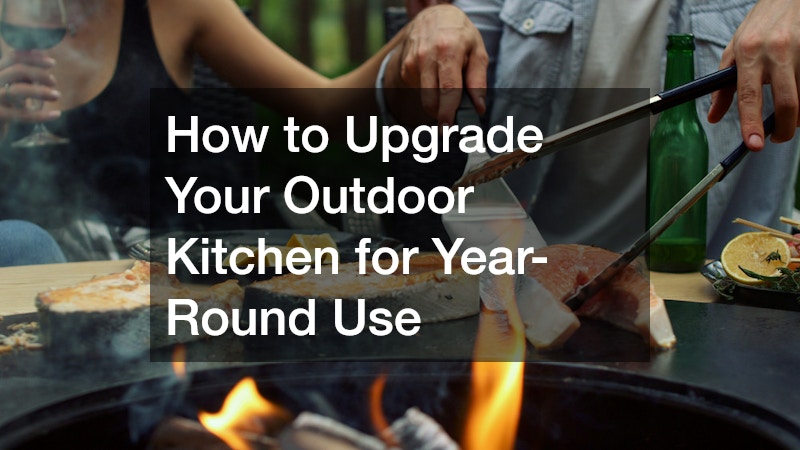
Upgrading your outdoor kitchen is one of the most rewarding ways to enhance your home and expand your living space. A well planned outdoor kitchen creates a natural gathering place for family and friends while increasing both functionality and property value. Whether you enjoy casual grilling or hosting large events, thoughtful upgrades can transform your backyard into a space that feels intentional, comfortable, and built to last.
An upgraded outdoor kitchen also encourages more time spent outside, which can improve overall quality of life. Cooking, dining, and relaxing outdoors brings a sense of connection to nature while still offering modern conveniences. With careful planning, your outdoor kitchen can support everything from quiet family meals to large social gatherings.
The key to a successful outdoor kitchen upgrade is balancing design, durability, and practicality. Outdoor environments bring unique challenges such as weather exposure, ventilation needs, and safety considerations. By planning carefully and choosing the right materials, services, and systems, you can create an outdoor kitchen that performs just as well as an indoor one while offering the open air experience that makes outdoor living special.
Plan the Structure Before Choosing Appliances

Every outdoor kitchen upgrade should begin with a solid structural plan. Before selecting appliances or finishes, evaluate how the space will be supported and protected over time. This includes framing, load bearing considerations, drainage, and how the structure connects to existing patios or decks. A well planned structure ensures that weight is distributed evenly and that the kitchen can withstand daily use as well as seasonal weather changes.
Working with experienced commercial framing contractors can help ensure your outdoor kitchen has the proper support for heavy appliances, countertops, and overhead structures such as pergolas or roof extensions. Even residential outdoor kitchens benefit from professional framing techniques that account for wind, moisture, and seasonal temperature changes. These professionals understand how different materials perform outdoors and can recommend framing solutions that reduce shifting, sagging, or long term wear.
Proper framing also allows for cleaner installation of utilities and finishes later in the project. Electrical wiring, gas lines, and plumbing can be routed more efficiently when the structure is planned correctly from the start. Thoughtful framing creates clear pathways for utilities, reduces exposure to the elements, and simplifies future repairs or upgrades. By addressing structure first, you reduce the risk of costly changes after appliances or surfaces are already in place.
A strong structural foundation also allows your outdoor kitchen to evolve over time. Future upgrades such as additional cooking stations, lighting, or entertainment features become easier to add without major reconstruction. Planning for potential expansion ensures your outdoor kitchen remains flexible as your needs change. A well built structure provides long term peace of mind, supports consistent performance, and ensures your outdoor kitchen remains safe, stable, and adaptable for years to come.
Consider Year Round Functionality With Enclosed Features
If you want to extend the use of your outdoor kitchen beyond warm months, consider adding enclosed or semi enclosed features as part of the overall design. Partial walls, sliding glass panels, or retractable screens can provide protection from wind, rain, and cold air while still maintaining an open feel. These elements help create a comfortable cooking environment without sacrificing the connection to the outdoors that makes an outdoor kitchen appealing.
Some homeowners take inspiration from a commercial greenhouse when designing these spaces, using transparent or translucent materials that allow natural light to pass through while creating a more controlled environment. This approach helps regulate temperature and airflow while preserving brightness and visibility. Natural light improves comfort and reduces the need for artificial lighting during the day, making the space more enjoyable to use.
Adding enclosure options early in the design process makes it easier to plan ventilation, heating, and lighting that support year round use. Fans, heaters, and lighting can be integrated more seamlessly when enclosure features are considered from the beginning. These features also protect appliances, cabinetry, and finishes from prolonged exposure to harsh weather, helping extend their lifespan and maintain their appearance.
With thoughtful planning, enclosed elements allow you to enjoy outdoor cooking during cooler months, light rain, or windy conditions without constant adjustments. This added flexibility increases the value of your investment and turns your outdoor kitchen into a versatile space that can be used far more often throughout the year.
Upgrade Surfaces for Durability and Style
Surface materials play a major role in both appearance and performance in any outdoor kitchen. Unlike indoor kitchens, outdoor spaces are exposed to sunlight, rain, wind, and fluctuating temperatures, which can take a toll on poorly chosen materials over time. Outdoor kitchens require surfaces that can withstand heat, moisture, grease, and frequent use without becoming damaged, warped, or difficult to maintain. Choosing the right materials from the start ensures long lasting durability, keeps maintenance manageable, and preserves the aesthetic appeal of the space for years.
High quality countertops designed specifically for outdoor use offer resistance to staining, cracking, and fading. Stone, concrete, and durable composite materials are popular choices because they combine strength with a wide variety of design options and color palettes. Natural stone such as granite or soapstone provides timeless elegance and withstands heavy cooking tasks. Concrete countertops can be customized with textures, colors, and finishes to complement your outdoor aesthetic. Composite materials are lightweight, easy to maintain, and resist the effects of UV exposure, making them practical for areas with direct sunlight. Selecting the right countertops not only improves food preparation efficiency but also simplifies cleanup after meals and gatherings, allowing you to enjoy more time entertaining rather than scrubbing surfaces.
When upgrading surfaces, it is important to consider how they interact with appliances, seating, and traffic flow. Rounded or beveled edges can improve safety by reducing the risk of accidental bumps or injuries. Textured finishes can minimize glare in bright sunlight while providing traction if spills occur, reducing slipping hazards. The color and finish of your surfaces also affect heat retention. Darker materials absorb more heat, which can make them uncomfortable to touch on hot days, while lighter shades reflect sunlight and remain cooler. Additionally, surfaces near grills or burners need to withstand direct heat without discoloring or warping, so selecting heat resistant options is critical.
Incorporate Sustainable Building Materials
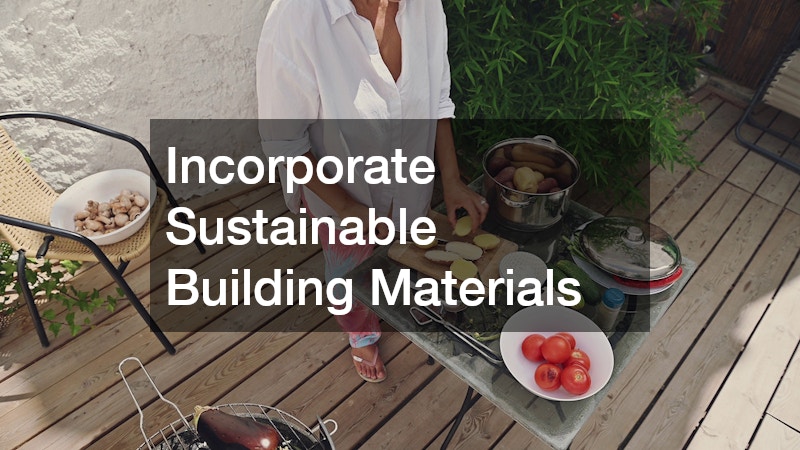
Sustainability is becoming an increasingly important factor in outdoor kitchen upgrades. Choosing eco friendly or reclaimed materials helps reduce environmental impact while adding character and individuality to your space.
Furniture, shelving, or decorative accents made from recycled pallets can introduce a rustic or contemporary look depending on how they are finished and styled. These materials work well for bar fronts, seating, or accent walls when treated properly for outdoor conditions.
Sustainable materials often feature unique textures and natural imperfections that create visual interest. They can soften the look of modern appliances and hard surfaces, making the space feel more welcoming and lived in.
Incorporating environmentally responsible materials also reflects thoughtful design values. When combined with durable construction and efficient systems, sustainable choices contribute to an outdoor kitchen that feels purposeful, stylish, and aligned with long term responsible building practices.
Design a Smarter Cleanup and Disposal System
Outdoor kitchens often generate more waste than indoor kitchens, especially during large gatherings or extended cooking sessions. Planning an efficient cleanup system makes the space easier to use and maintain.
Including a system for cooking oil recycling helps manage grease responsibly and prevents buildup in drains or disposal areas. Dedicated containers and clearly defined disposal routines streamline cleanup while supporting environmentally conscious practices.
A well organized cleanup system keeps your outdoor kitchen sanitary and ready for frequent use. Features such as outdoor sinks, sealed trash storage, and easy to clean surfaces help reduce mess and odors.
By designing cleanup areas alongside cooking and prep zones, you create a smooth workflow that supports efficiency. This approach ensures that cleanup feels manageable rather than disruptive, allowing you to focus more on enjoying the space and less on post meal maintenance.
Prioritize Safety in Your Outdoor Kitchen Layout
Safety should always be a top priority in outdoor kitchen design. Open flames, hot surfaces, and utility connections require thoughtful layout and material choices to reduce risk.
Proper spacing between appliances, clear walkways, and fire resistant materials all contribute to a safer environment. Position cooking equipment away from seating areas and ensure there is enough clearance for movement and ventilation.
Understanding principles similar to those taught in fire sprinkler design training can influence how you think about fire safety, even in residential settings. While most outdoor kitchens do not require sprinklers, considering fire suppression strategies, heat management, and emergency access improves overall safety.
Additional safety measures such as non slip flooring, adequate lighting, and secure gas and electrical connections further reduce hazards. A safety focused layout allows everyone to move comfortably through the space while keeping cooking areas controlled and predictable.
Blend the Kitchen With the Surrounding Landscape
An outdoor kitchen should feel like a natural extension of your yard rather than a separate or isolated feature. Thoughtful integration improves flow, comfort, and visual appeal.
Professional landscaping services can help align materials, colors, and layouts so the kitchen blends seamlessly with patios, walkways, and garden areas. Plants can be used strategically to provide shade, privacy, and ambiance without interfering with cooking or prep zones.
Natural elements such as stone, wood, and greenery soften the look of appliances and hard surfaces. Lighting integrated into landscaping enhances usability in the evening while creating a welcoming atmosphere.
When the kitchen and landscape work together, the entire outdoor space feels cohesive and intentional. This integration elevates both aesthetics and functionality, making the outdoor kitchen a true centerpiece of the yard.
Choose the Right Fuel Source for Cooking
Fuel selection plays a major role in how your outdoor kitchen operates and how enjoyable it is to use. Different fuel types affect temperature control, maintenance, and cooking style.
Many homeowners choose propane because it offers consistent performance and reliable ignition in outdoor environments. It allows for precise heat control and works well with grills, burners, and outdoor heaters.
Selecting the right fuel source early in the planning process helps guide appliance choices and utility installation. It also ensures proper safety measures are in place, including ventilation and secure connections.
Fuel choice can influence long term costs and convenience. By understanding how often you cook and what types of meals you prepare, you can select a fuel option that supports efficiency, performance, and ease of use.
Invest in Quality Storage and Customization
Storage is essential for keeping an outdoor kitchen organized and functional. Without adequate storage, tools and supplies quickly clutter the space.
Working with a specialized kitchen shop allows you to design custom storage solutions that fit your layout and cooking habits. Custom cabinets, drawers, and prep stations can be tailored to hold specific appliances, utensils, and accessories.
High quality outdoor cabinetry protects contents from moisture, pests, and temperature changes. Features such as weather sealed doors, adjustable shelving, and durable finishes improve longevity and convenience.
Well planned storage makes cooking outdoors more efficient and enjoyable. When everything has a designated place, cleanup becomes easier and the space remains visually appealing even during busy gatherings.
Ensure Comfort With Proper Ventilation and Climate Control
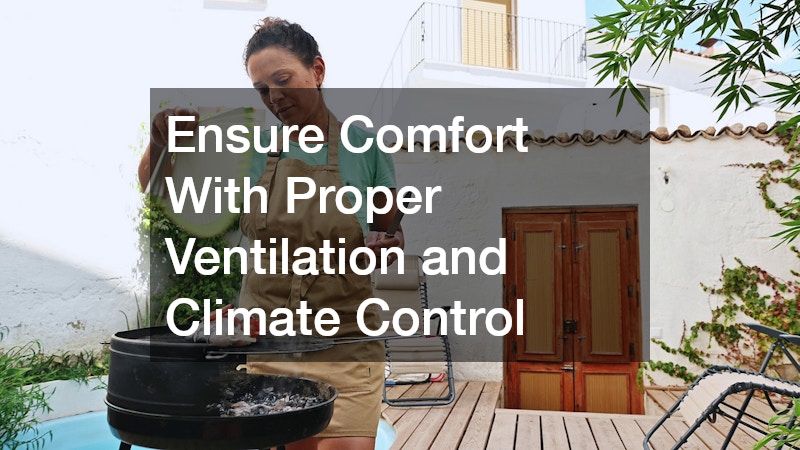
Comfort is a key factor in how often you use your outdoor kitchen. Heat, smoke, and humidity can quickly make the space unpleasant without proper airflow.
Consulting with HVAC companies helps ensure ventilation and climate solutions are designed for outdoor conditions. Options may include exhaust hoods, ceiling fans, heaters, or natural airflow strategies that improve comfort.
Proper ventilation removes smoke and excess heat, making cooking safer and more enjoyable. Climate control features extend the usability of the space into cooler months or warmer afternoons.
By addressing comfort proactively, your outdoor kitchen becomes a true extension of your living space. Comfortable conditions encourage longer gatherings, more frequent use, and greater overall enjoyment.
Upgrading your outdoor kitchen is an opportunity to create a space that reflects your lifestyle, supports entertaining, and adds lasting value to your home. Each decision, from structural planning and materials to safety and comfort, contributes to the overall success of the project.
By taking a thoughtful, comprehensive approach, you can build an outdoor kitchen that performs reliably and remains visually appealing for years. With the right balance of design, durability, and functionality, your outdoor kitchen can become the centerpiece of your outdoor living experience and a space you enjoy in every season.